 Scaling sustainable shipping with fuel cell insights from DLR in zero4cruise
Marine
6 minute read
Scaling sustainable shipping with fuel cell insights from DLR in zero4cruise
Marine
6 minute read

While the pressure on the global shipping sector to decarbonise has never been greater, commercially proven fuel cell solutions are already delivering clean, reliable power across a growing range of maritime applications. Stricter environmental regulations, evolving IMO targets and the urgent push for net-zero operations mean that the maritime sector is moving quickly to integrate technologies that eliminate emissions while meeting demanding operational profiles.
For shipowners, shipbuilders and operators, the primary focus is no longer whether fuel cells work, but how to deploy them most effectively across different vessel segments, routes and energy strategies. This is where collaborative initiatives play a decisive role. By bringing together research institutions, industry leaders and technology providers, these programs generate valuable application insights, refine system integration and build a shared foundation for the entire maritime ecosystem.
These collective efforts help accelerate the application and widespread adoption of proven fuel cell technology across the maritime industry.
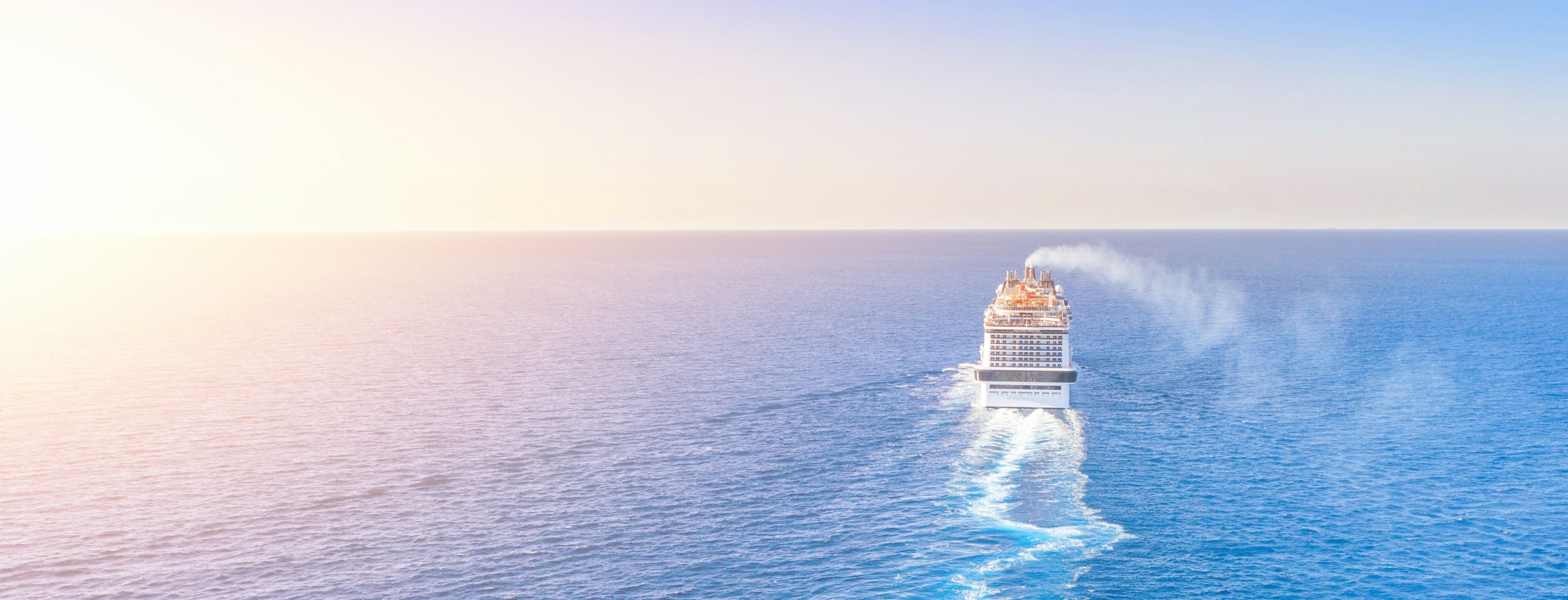
To address these challenges head-on, the German Aerospace Center (DLR), in partnership with world-renowned shipyard MEYER WERFT, has spearheaded the zero4cruise project. Backed by €18.7 million in funding from the German Federal Ministry for Economic Affairs and Energy, the initiative is designed to fast-track the market activation of climate-friendly energy and propulsion concepts for cruise vessels and ocean-going ships, covering both newbuilds and retrofits.
As part of this flagship initiative, PowerCell Group received a SEK 21 million order from DLR to deliver an integrated Fuel-to-Power system to DLR’s maritime testing facility in Kiel, Germany. The delivery includes Marine System 225 fuel cell units, methanol reformers, gas mixing, and integrated system control.
Speaking on the strategic importance of the collaboration, Richard Berkling, CEO of PowerCell Group, highlights:
“DLR is one of Europe’s leading research organizations in maritime technology. This project builds on our proven M2Power platform while adapting the system to a specific customer application. It demonstrates how standardized industrial platforms can be combined with different fuel pathways to create application-specific energy solutions. The operational knowledge generated will support the deployment of integrated fuel cell systems across maritime applications from onboard propulsion and auxiliary power to port power.”
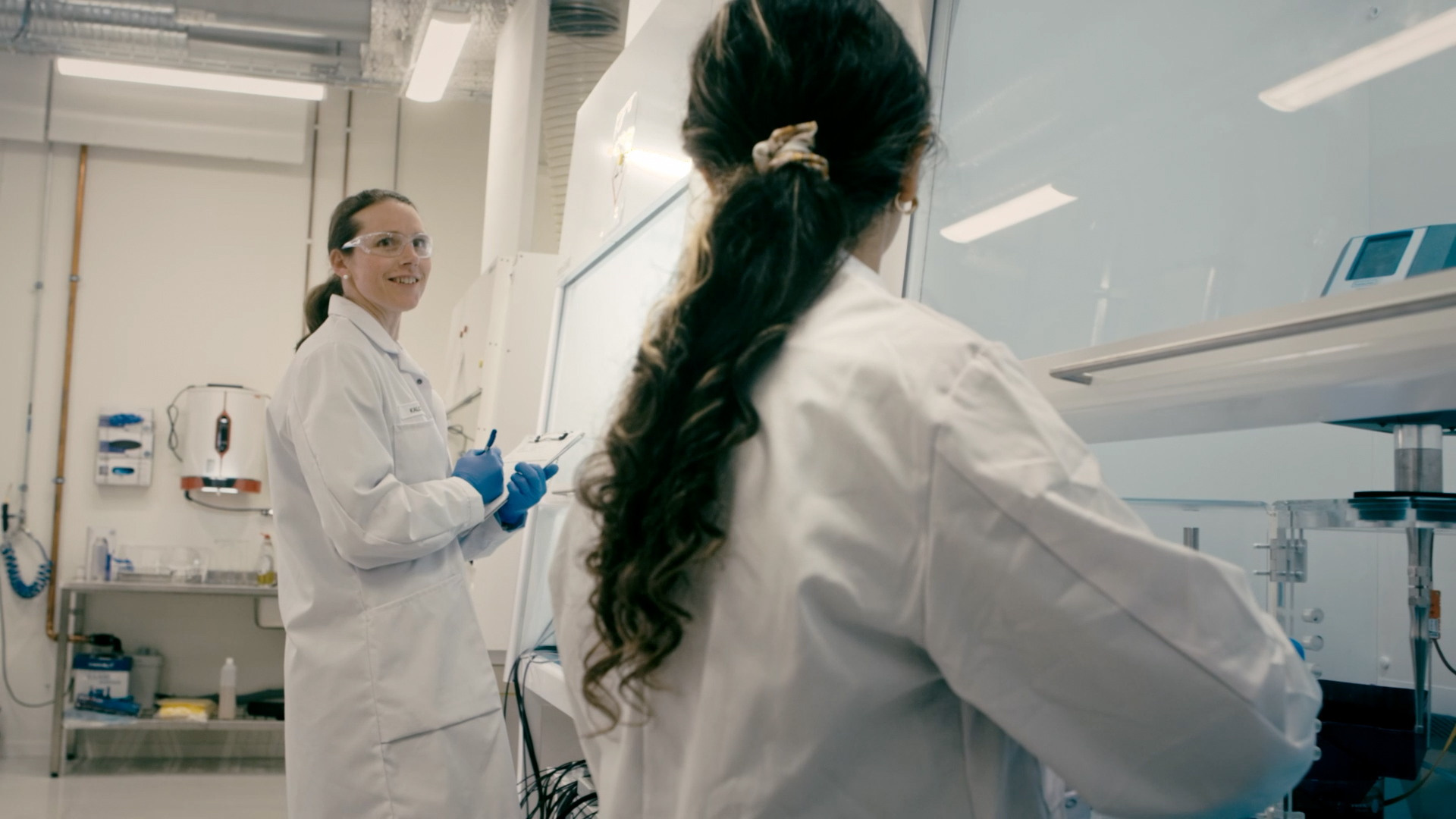
PowerCell’s involvement in zero4cruise underscores our deep domain expertise in heavy-duty marine electrification. While many maritime development cycles can stretch over four to six years for new vessel builds, deploying this system in an advanced, dedicated laboratory environment allows for rapid generation of operational data.
By replicating demanding marine duty cycles, from steady baseloads to rapid, dynamic transient responses, the project generates transparent, empirical data on how fuel cells perform across various vessel operating profiles.
Andreas Törnblom, Sales Manager at PowerCell Group, emphasizes why this collaborative connection between research, commercial shipbuilding and technology delivery is so vital:
“What makes this project truly inspiring is how it connects the entire ecosystem. You have the commercial and operational reality from shipyards and ship operators, the scientific excellence and advanced testing facilities of DLR, and PowerCell delivering the core, industrialised technology.
Publicly funded research like this generates open, transparent insights that benefit the entire industry. When shipowners and operators see robust, touchable proof of how proven systems perform under representative operating profiles, it clarifies integration pathways and accelerates adoption at scale.”
A core focus of the system delivered to DLR is PowerCell’s Fuel-to-Power architecture, specifically utilising methanol reforming.
While pure compressed or liquid hydrogen is an ideal zero-emission fuel for many routes and vessel types, large energy-dense applications like cruise ships face specific spatial and logistical storage considerations. Methanol provides an effective complement: it is liquid at ambient temperatures, boasts high volumetric energy density, and can utilise existing bunkering and distribution infrastructure with minimal adaptation.
In this configuration, liquid methanol is reformed on demand into hydrogen, which is then fed directly into high-efficiency Proton Exchange Membrane (PEM) fuel cells to generate electricity, usable heat and water. For ship operators, the system behaves as a seamless, integrated unit: methanol in, clean electric power out.
Andreas Bodén, CTO at PowerCell Group, explains the technological rationale:
“Decarbonising maritime transport is not a one-size-fits-all challenge. Fuel cells are inherently fuel-flexible when combined with reforming technology. By converting liquid hydrogen carriers like methanol into power right where it is consumed, the concept solves the critical challenge of onboard energy density and fuel logistics. It enables large vessels to achieve zero-emission operations today without compromising operational range or payload capacity.”

The broader implications of the zero4cruise project extend far beyond a single test facility; they represent an important contribution toward establishing a common, industry-wide path forward. To scale zero-emission shipping effectively, the maritime sector benefits greatly from mature, modular technology, flexible fuel pathways and transparent data that makes integration straightforward for both newbuilds and retrofits.
By putting verified power configurations through demanding, representative cruise ship load cycles, the project provides shipyards, naval architects and operators with a rich engineering baseline to optimise their designs. It allows the industry to deepen its understanding of critical operational dynamics, such as transient load responses, cold-start behaviors and the interaction between reformers and fuel cell systems, while helping classification societies and regulators refine standardised safety and certification frameworks based on objective data.
Ultimately, accelerating the transition relies on this kind of collaborative, shared foundation. By combining liquid fuel logistics, industrialised fuel cell platforms and verified maritime duty cycles, zero4cruise helps align the entire ecosystem around solutions that are available today, making the widespread adoption of zero-emission shipping a practical, repeatable reality.

The technology to decarbonise your fleet is here today.
Explore our Marine solutions and learn more about our Marine System 225 and Fuel-to-Power platforms.
Connect with the experts in our Marine Team here to discuss your vessel’s operational profile and discover how fuel cell integration can future-proof your fleet.
 Scaling sustainable shipping with fuel cell insights from DLR in zero4cruise
Marine
6 minute read
Scaling sustainable shipping with fuel cell insights from DLR in zero4cruise
Marine
6 minute read
 Fuel-to-Power: Rethinking hydrogen availability
Power Generation
12 minute read
Fuel-to-Power: Rethinking hydrogen availability
Power Generation
12 minute read
 From Power Generation to Energy Orchestration
Power Generation
8 minute read
From Power Generation to Energy Orchestration
Power Generation
8 minute read
 Taking fuel cell durability to one million nautical miles in MiNaMi
Marine
5 minute read
Taking fuel cell durability to one million nautical miles in MiNaMi
Marine
5 minute read