White Paper
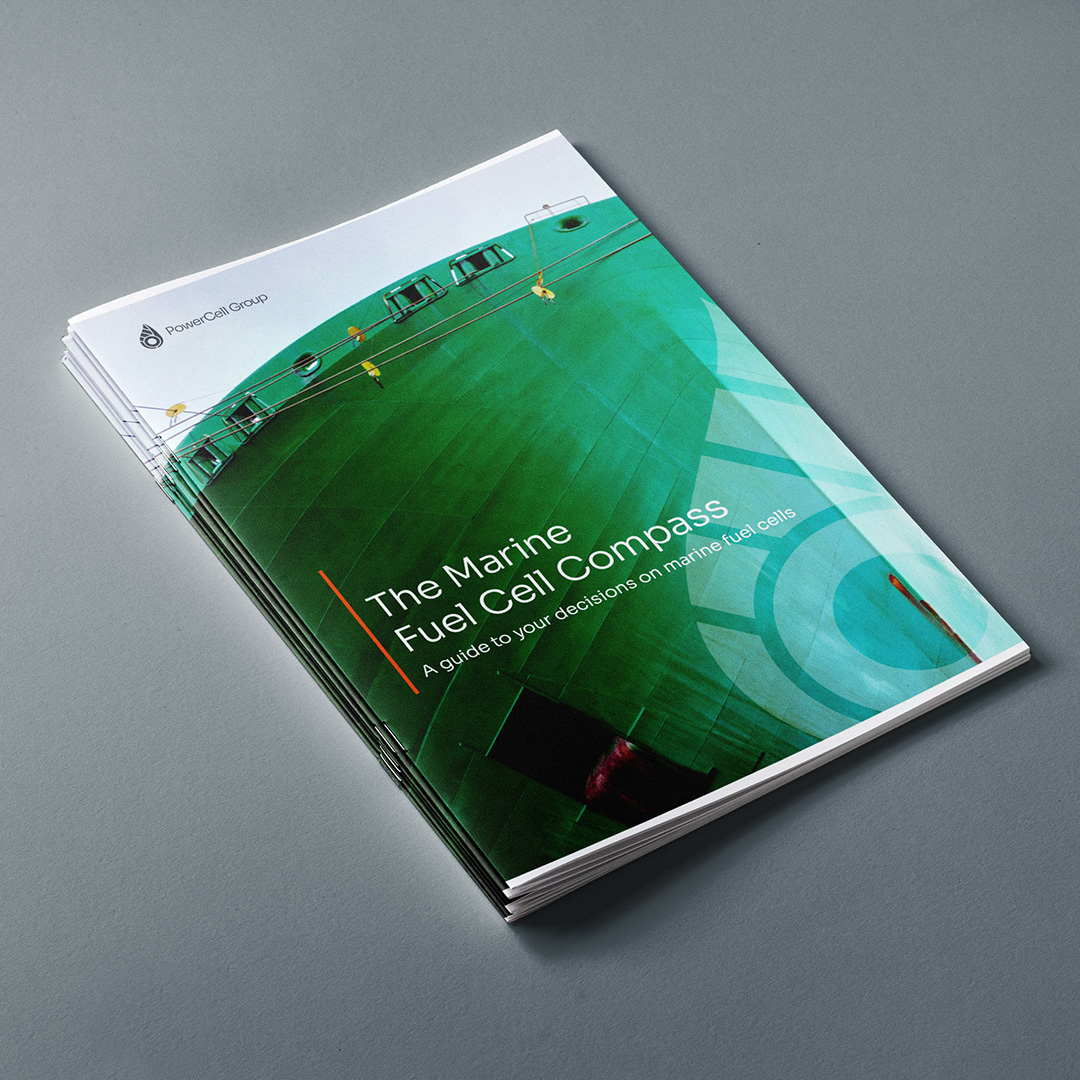
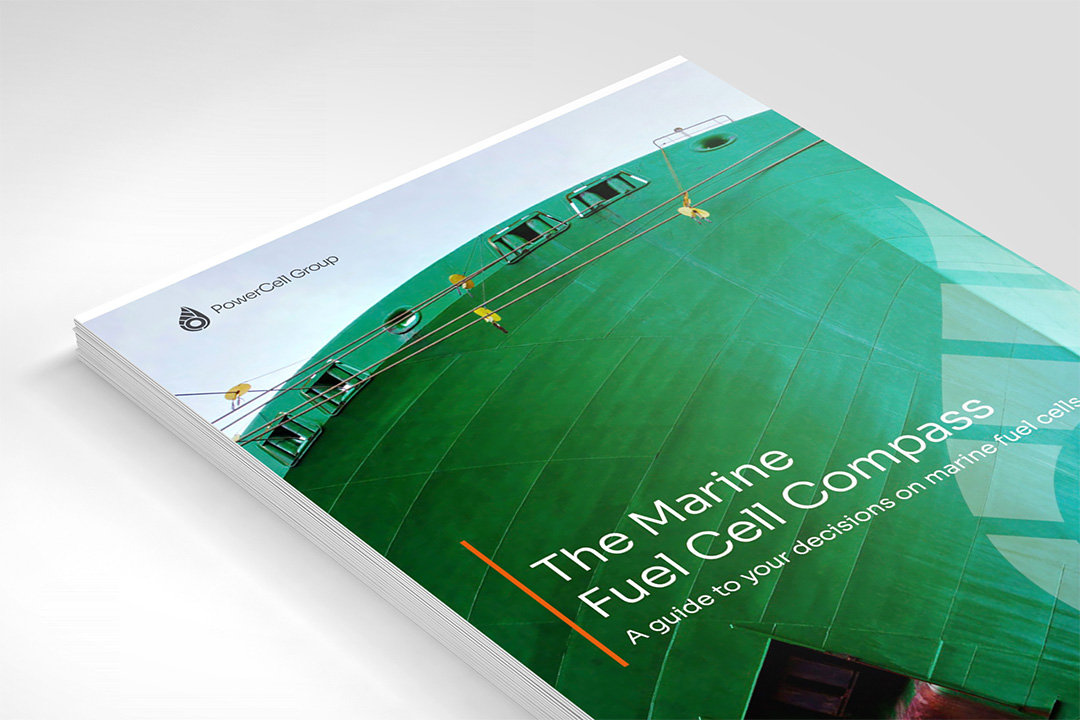
The Marine
Fuel Cell Compass

White Paper
Looking for a clear path to navigate compliance for ports and propulsion in 2030 and beyond?
The Marine Fuel Cell Compass explains how hydrogen and methanol fuel cells turn regulatory pressure into a commercial advantage.
Inside you will find:
Download the white paper to gain in-depth insights and step‑by‑step guidance to decide which fuel cell solution fits your fleet or port.
Download our white paper

From 2030, major EU ports will require container and passenger ships above 5,000 gross tonnes to use onshore power supply (OPS) or certified alternatives. At the same time, FuelEU Maritime and tighter EU Emissions Trading System rules raise the cost of carbon and change how voyages are priced. For many operators this means rising operating costs, forced fleet upgrades and the risk of restricted port access, plus continuing local pollution at berth if no zero‑emission option is chosen.
Hydrogen and methanol fuel cells convert regulatory pressure into practical opportunity by providing a zero‑local‑emission option that can be evaluated, sized and implemented today. In our white paper “The Marine Fuel Cell Compass”, we provide a straightforward evaluation framework to test whether a vessel or terminal is “fuel cell ready”, then look at the total cost of ownership to show where fuel cells are compared marine gas oil for hotel loads, auxiliary power and OPS.


Our marine fuel cells can scale from kilowatts to multi‑megawatt installations and deliver quiet, zero‑local‑emission power for vessels and ports, from hotel loads and auxiliary systems to propulsion. PowerCell’s modular fuel cell systems and methanol‑to-power solution are cutting local NOx, SOx and particulate emissions while cutting lifecycle carbon when paired with green hydrogen.